Biobased and Biodegrable Solutions for Window Bag in Fresh Food Application
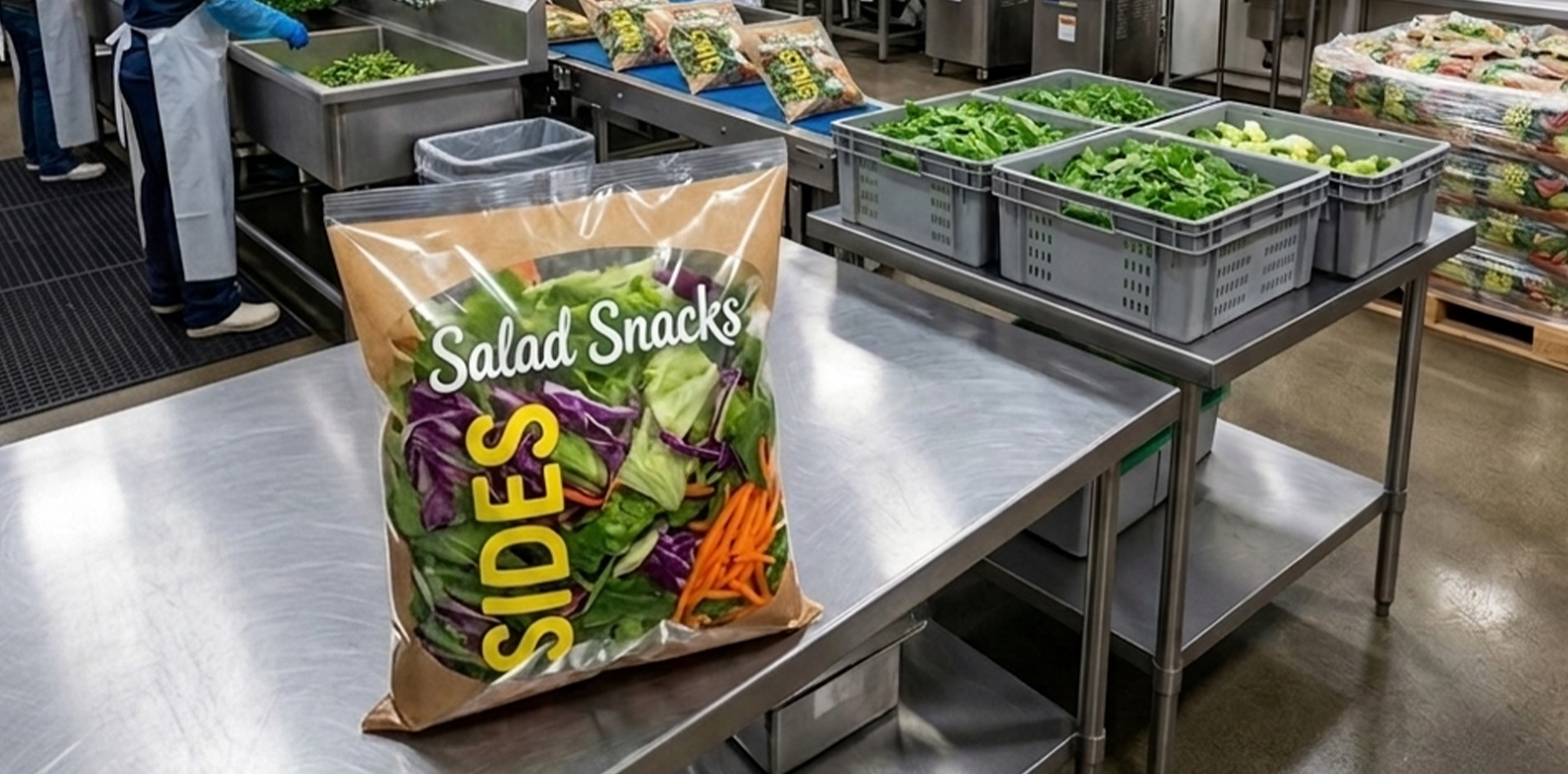
Window bags are widely used for fresh food applications because they allow product visibility while offering protection during handling and distribution. In paper-based window bags, the window area is the critical functional element, as it must ensure visibility, mechanical integrity, and appropriate interaction with fresh food (e.g. gas exchange).
Challenge
The fresh food market increasingly requires packaging solutions based on biobased materials that align with sustainability targets while maintaining product protection and visibility. In window bags for fresh produce, packaging must help slowdown spoilage by managing moisture and gas exchange. In these cases, end‑of‑life coherence becomes critical: the window material should be compatible with the paper structure and with organic waste streams where food contamination is present.
Solution
TI proposes biobased and biodegradable window film solutions combined with paper, designed to improve breathability and enable industrial compostability of the final packaging structure.
The NATIVIA® NTSS-based solution is designed to align the window material with the renewable and compostable nature of the paper component when processed under appropriate industrial composting conditions.
Benefits
- Renewable resources
NATIVIA® films are made from biobased polymers derived from renewable resources. According to third-party certification, NATIVIA® BOPLA films are certified OK biobased 4‑stars by TÜV AUSTRIA, while the paper component is also biobased. This supports a reduction in the use of fossil resources compared to conventional BOPP-based windows.
- Industrial Compostability
For paper-based window bags intended for fresh food, industrial compostability is a relevant end-of-life option where local collection and treatment of organic waste are in place. In certified packaging applications based on NATIVIA® BOPLA films,the window material can be directed to industrial composting together with organic waste, supporting coherent disposal of fresh food window bags that may be contaminated by food.
NATIVIA® NTSS film is certified for industrial compostability by DIN CERTCO and conform, where applicable, to EN 13432.
- Breathability
Breathable packaging can help extend the shelf life of fresh produce by limiting condensation and allowing oxygen and carbon dioxide exchange. This helps reduce the risk of anaerobic conditions and moisture-related spoilage. NATIVIA®PLA‑based films intrinsically offer gas permeability characteristics suitable for breathable window applications when appropriately designed and combined with paper.