Consumer demands driving sustainable packaging innovation
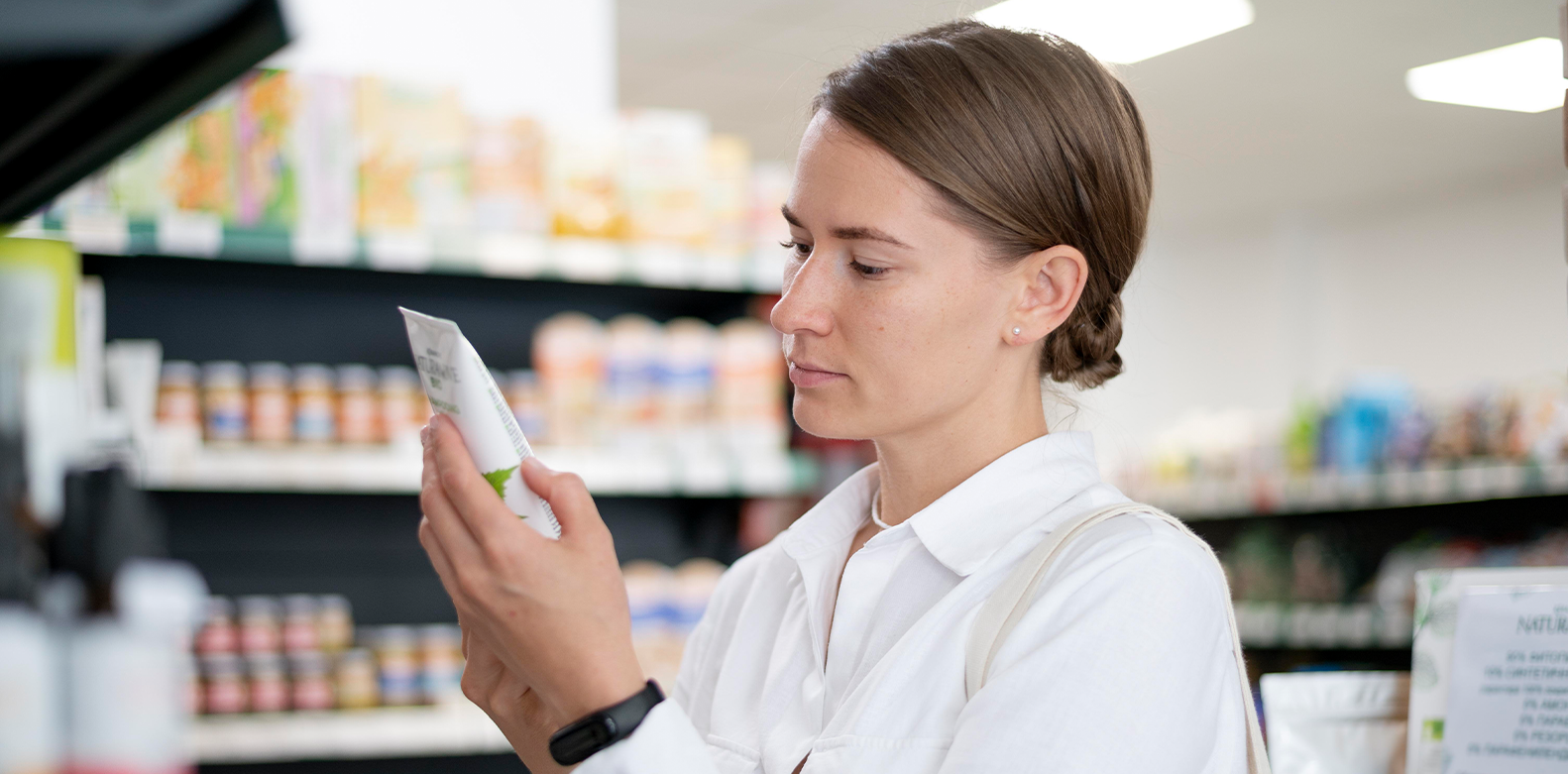
The relationship between consumers and packaging is undergoing a radical transformation. For decades, packaging was viewed purely through the lens of protection, preservation, and presentation. While these functions remain vital, especially in minimizing the global tragedy of food waste, a new, non-negotiable metric has taken precedence: sustainability.
Today’s consumers, particularly younger generations, are not merely aware of environmental issues; they are actively demanding solutions. This consumer-led revolution is an unstoppable force, compelling brands to fundamentally rethink material science and design. Taghleef Industries is responding with advanced film technologies and structural design services that align performance with sustainability, helping partners meet consumer expectations and regulate requirements in parallel.
Closing the loop: the imperative of recyclability and alternative structures
The single biggest source of consumer frustration and regulatory focus regarding packaging is the complexity of end-of-life disposal. Multi-layer flexible packaging, while offering exceptional barrier performance, often mixes different types of plastic (e.g., PET, PE, Aluminum) that cannot be separated economically by standard recycling infrastructure. The result is valuable material being downcycled or, worse, sent to landfill.
Taghleef’s perspective and solutions
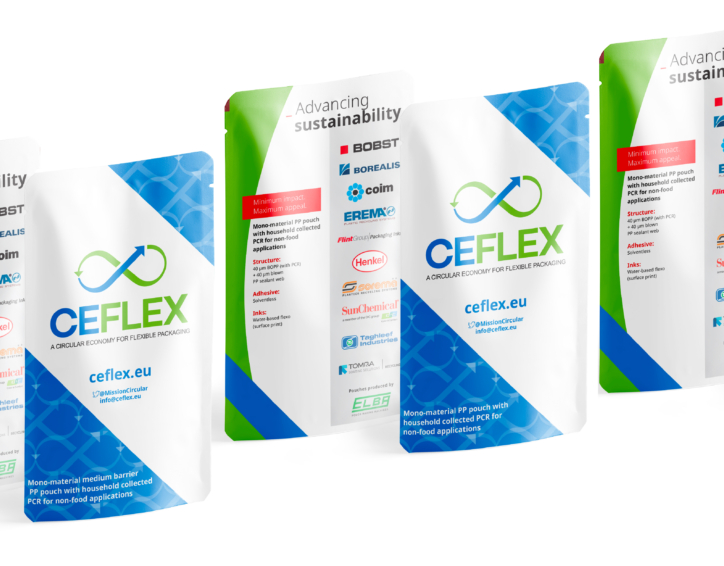
Taghleef Industries views the shift towards the circular economy as a primary commitment to environmental stewardship and a direct response to consumer demands for simple, effective recycling. This means prioritizing structures made predominantly from a mono-polymer, such as polypropylene (PP) or polyethylene (PE).
Our advanced film packaging solutions enable converters to simplify complex packaging formats without compromising on critical performance metrics like seal strength or printability. We are constantly engineering films that support the use of all-PP or all-PE structures, ensuring the resulting packaging is recognized and handled by existing recycling streams.
Our specialized labels such as SHAPE360® shrink film solutions are designed specifically to be compatible with PET container recycling, ensuring the label separates cleanly from the bottle during the wash process, improving the purity and value of the recycled PET flake. We don’t just supply films: we supply certified pathways to the circular economy.
Beyond fossil fuels: harnessing bio-based and biodegradable film solutions
The consumer quest for sustainability extends beyond recycling to the source of the material itself. A large segment of the market demands materials derived from renewable origins, seeking a reduced carbon footprint and less reliance on finite fossil resources. Coupled with this is the demand for viable end-of-life options for products that are inherently difficult to recycle, such as food-contaminated flexible packaging.
Taghleef is pioneering in the field of renewable resources through its portfolio of bio-based and biodegradable films, offering functional alternatives to traditional polyolefins.
At the forefront of this innovation is the NATIVIA® brand. Representing a new era for biobased and biodegradable films, NATIVIA® is ideally suited for applications like fresh produce, flow packs for baked goods, and label applications, appealing directly to the consumer desire for certified packaging.
Our commitment to sustainable sourcing extends across our entire portfolio, including traditional materials. The Derprosa™ bioBLUE 30 film exemplifies this approach by incorporating bio-based polypropylene (BioPP), a renewable alternative to conventional PP derived from plant-based sources rather than fossil fuels. This innovative film utilizes second-generation feedstock from non-food competing sources like waste cooking oil, ensuring sustainability without impacting food supply chains.
Performance and preservation: reducing waste through smart film design
While consumers want less packaging waste, they are equally aware that a package that fails to preserve its contents is the ultimate environmental loss. The UN estimates that one-third of all food produced is lost or wasted, a catastrophe that dwarfs the environmental impact of the packaging itself. Therefore, true sustainable innovation must focus on both source reduction and enhanced performance.
Our approach, customized through the reDESIGN™, is to collaborate with customers to create solutions that maximize efficiency and minimize material without compromising essential barrier integrity.
A key focus is source reduction. Through advancements in polymer science and biaxial orientation technology, Taghleef produces ultra-thin, high-yield BOPP films. These films maintain or even surpass the barrier and stiffness performance of older, thicker materials. This source reduction directly translates to a lighter package, which means lower raw material consumption, reduced packaging weight, and fewer transport-related carbon emissions.
For maximum preservation, we leverage specialized solutions like the EXTENDO® product line. These films are engineered with superior moisture and oxygen barriers, which is crucial for extending the shelf life of highly perishable goods, from coffee to dairy to snacks. By providing guaranteed freshness and longevity, these films actively combat the devastating environmental footprint of food waste, offering consumers reassurance that their purchase will be fully utilized.
Taghleef’s Role in the Industry
Taghleef Industries serves as a strategic partner to ensure that a brand’s environmental goals are realized without sacrificing economic sustainability. Through our reDESIGN™ process we develop specific packaging and label structures, high performance, lightweight or attractive necessary for the most demanding applications in the market.